
The short answer: For Oracle technology products on premises, you must license every place where the software is installed or running, and the number of licenses depends on the computing power of the server. For application products, you license the people using them. These rules apply to all Oracle products except Oracle Java SE.
Oracle’s on-premises licensing philosophy
Oracle licenses its on-premises products on this basis:
- All features of the delivered software are available to the customer, who then decides which to use.
- Customers must know what they have bought. Oracle publishes its licensing details in the public domain.
- Customers are responsible for managing their licenses and compliance.
Rules for licensing Oracle technology products
- You must license where Oracle products are installed.
- You must license where Oracle products are running.
- Physical and virtual platforms must both be licensed under the matching policies and guidelines.
- The number of licenses depends on the compute power of the server. More compute power means more licenses.
Processor licenses are calculated as cores multiplied by a core factor, with fractions rounded up. Intel and AMD server processors have a factor of 0.5. See the Oracle core factor table and Processor and Named User Plus metrics.
Rules for licensing application products
- You must license the person using the application.
- A user can be counted once across multiple environments.
- If the product is not licensed by a variation of the user metric, you must license the quantity of usage.
Questions we are asked about Oracle licensing rules
Where can I read the basics?
Start with Oracle licensing explained. If you want help with Oracle licensing services, see our Oracle license consulting.
What about Java?
Java SE is licensed differently, on an employee metric. See Oracle Java employee metric licensing.
What if my ULA includes Java?
Read Oracle ULA certification and our Java license review.
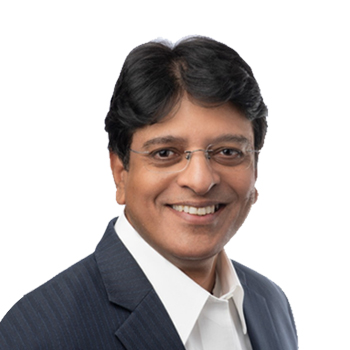
Sheshagiri Anegondi
Managing Partner of Rythium Technologies. Seventeen years at Oracle, from 1998 to 2015, in leadership roles including Vice President Sales, after Compaq and Digital Equipment Corporation.
Author of “Licensing Oracle: The Reference Manual for Managing Oracle License Compliance & Procuring Oracle Software, Hardware, Cloud & Services” (2021, ISBN 10: 1639046887).
See more of our analysis in Google: add Rythium as a preferred source